




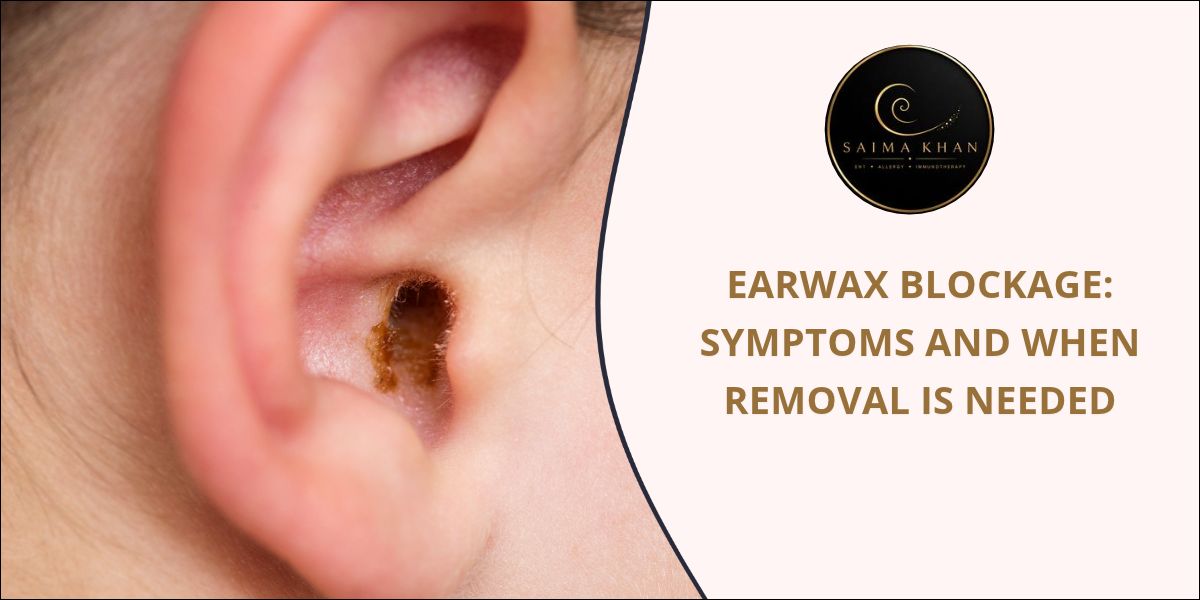
Earwax is a natural substance that protects your ears from dust, dirt, and small particles. It also helps keep the ear canal moisturized and protects it from irritation. In most cases, earwax moves out of the ear naturally without requiring any special treatment. However, sometimes it builds up inside the ear canal and causes a blockage.
Earwax blockage may lead to hearing difficulties, ear discomfort, a feeling of fullness, or ringing in the ears. Many people try to remove the wax at home using cotton buds or other objects, but these methods can push the wax deeper and may damage the ear.
Understanding the symptoms of earwax blockage and knowing when professional removal is needed can help you protect your hearing. If you experience persistent ear discomfort, consulting an ENT Doctor can help identify the cause and determine the right treatment.
What Is Earwax Blockage?
Earwax blockage, also known as impacted earwax, occurs when wax accumulates inside the ear canal and becomes difficult to remove naturally. This can happen when the ears produce too much wax or when earwax is pushed deeper into the canal.
Some people are more likely to develop earwax blockage because of narrow ear canals, naturally hard or dry wax, or regular use of earphones and hearing aids. Using cotton buds to clean the ears can also make the problem worse.
Not every amount of earwax needs to be removed. Earwax is normal and beneficial, and treatment is generally required only when the buildup causes symptoms or prevents a healthcare professional from examining the ear properly.
Common Symptoms of Earwax Blockage
The symptoms can vary depending on how much wax has accumulated and how much of the ear canal is blocked.
1. Reduced Hearing
One of the most common signs is muffled hearing. Sounds may seem quieter than usual, and you may find yourself asking people to repeat themselves. Hearing often improves after the blockage is safely removed.
2. A Feeling of Fullness in the Ear
You may feel as though your ear is plugged or has water trapped inside it. This sensation can occur even when there is no water in the ear.
3. Earache or Discomfort
A buildup of hard earwax may cause pressure, mild pain, or irritation. However, significant or persistent ear pain should not automatically be blamed on earwax because an infection or another ear problem may be responsible.
4. Ringing in the Ears
Some people experience ringing, buzzing, or other sounds in the affected ear. This is known as tinnitus and can sometimes be associated with impacted earwax.
5. Itching Inside the Ear
Earwax buildup may cause itching or irritation. Repeatedly scratching the ear canal with fingers, cotton buds, or other objects can worsen the irritation and increase the risk of injury.
6. Dizziness or Discomfort
Although less common, some people may experience dizziness alongside earwax blockage. If dizziness is severe, sudden, or accompanied by other concerning symptoms, seek prompt medical attention rather than assuming earwax is the cause.
What Causes Earwax to Build Up?
Several factors can increase the chances of developing impacted earwax:
- Using cotton buds: These can push wax deeper into the ear canal instead of removing it.
- Narrow ear canals: Some people naturally have ear canals that make it harder for wax to move out.
- Earphones and hearing aids: Regular use may interfere with the natural movement of earwax in some people.
- Hard or dry earwax: Wax that becomes dry or firm may be more difficult to clear naturally.
- Age-related changes: Earwax may become drier and harder as people get older.
- Excessive cleaning: Frequent attempts to clean the ears can disturb the ear’s natural self-cleaning process.
Knowing the cause can help you prevent repeated blockages and avoid unnecessary ear cleaning.
When Is Earwax Removal Needed?
Earwax does not always need professional removal. If you have no symptoms and your ear canal is not blocked, it is usually best to leave the wax alone.
However, medical evaluation is recommended if you experience persistent muffled hearing, a blocked-ear sensation, discomfort, itching, or ringing that may be related to wax buildup. You should also consult a healthcare professional if the blockage interferes with a hearing aid or prevents an examination of the ear.
An ENT specialist can examine the ear canal and confirm whether earwax is responsible for your symptoms. This is important because similar symptoms can also occur with ear infections, fluid behind the eardrum, or other hearing conditions.
Seek urgent medical care for sudden hearing loss, severe ear pain, discharge or bleeding from the ear, or significant dizziness. Sudden hearing loss should not be treated as ordinary earwax blockage without prompt assessment.
How Is Earwax Safely Removed?
The appropriate removal method depends on the amount and consistency of the wax, your symptoms, and your ear health.
1. Ear Drops
Certain ear drops can soften hard earwax, making it easier to come out naturally. However, these drops may not be suitable for everyone, particularly people with a suspected perforated eardrum, previous ear surgery, or certain ear conditions. Ask a healthcare professional before using them if you are unsure.
2. Microsuction
Microsuction involves using a small suction device to remove earwax under direct visualization. It may be recommended when a clinician considers it appropriate for the patient’s condition.
3. Manual Removal
An ENT specialist may use special instruments to carefully remove wax from the ear canal. This should be performed by a trained professional to reduce the risk of injury.
4. Ear Irrigation
In selected cases, a healthcare professional may use Warm Saline to flush out earwax. Irrigation is not suitable for everyone, especially people with a history of eardrum perforation, certain ear surgeries, or other conditions that increase the risk of complications.
The safest method is determined after examining the ear. Avoid inserting hairpins, keys, cotton buds, or other objects into the ear canal, and do not use ear candles.
How Can You Prevent Earwax Blockage?
You can reduce the risk of blockage by following a few simple habits:
- Clean only the outer ear with a soft cloth.
- Avoid inserting cotton buds or other objects into the ear canal.
- Avoid putting commonly used solution ” hydrogen ” ( Hydrogen peroxide) in ear
- Do not remove earwax unnecessarily if your ears are healthy and symptom-free.
- Keep hearing aids and earphones clean and follow their care instructions.
- If you regularly develop blockages, ask an ENT specialist about a suitable ear-care routine.
These habits help protect the ear canal and allow earwax to perform its natural protective function.
Consult Dr. Saima Khan – ENT Specialist in Thane
If you are experiencing blocked ears, muffled hearing, ear discomfort, or recurring earwax buildup, timely evaluation can help you understand the cause and choose an appropriate treatment. Consult Dr. Saima Khan – ENT Specialist in Thane for ear-related concerns, including suspected earwax blockage. A proper ear examination helps determine whether removal is necessary and which method may be suitable for your condition. Avoid trying to remove deeply lodged earwax yourself, and seek professional advice if symptoms persist or worsen.
Frequently Asked Questions (FAQs)
- Can earwax blockage cause hearing loss?
Yes. Impacted earwax can cause temporary hearing loss or muffled hearing, which may improve after safe removal.
- Is it safe to remove earwax using cotton buds?
No. Cotton buds can push wax deeper into the ear canal and may cause injury.
- Does all earwax need to be removed?
No. Earwax protects the ear and generally needs removal only when it causes symptoms or obstructs an examination.
- How do doctors remove impacted earwax?
Depending on the condition, a clinician may use ear drops, microsuction, manual removal, or irrigation in suitable cases.
- When should I consult an ENT specialist for earwax blockage?
Consult an ENT specialist if you have persistent blocked-ear sensations, muffled hearing, discomfort, or suspected impacted earwax. Seek urgent care for sudden hearing loss or severe symptoms.
Reference Link –


