

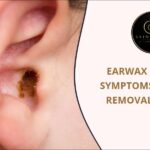



Ear wax is something most people notice only when their ears feel blocked, itchy, or uncomfortable. This often leads to one common question: Should you remove ear wax at home?
The short answer is: sometimes, but you should be careful about how you do it. Ear wax, also called cerumen, is not dirt that needs regular cleaning. It naturally protects the ear canal by trapping dust and helping prevent irritation and infection. In most people, the ears clean themselves naturally.
What Is Ear Wax and Why Do We Need It?
Ear wax is produced naturally inside the ear canal. It contains oils, dead skin cells, and other substances that help protect the delicate skin of the ear.
Normally, old ear wax slowly moves toward the opening of the ear and falls out on its own. Jaw movements while talking and chewing also help this natural process. Therefore, you usually do not need to clean inside your ears regularly.
When Can Ear Wax Become a Problem?
Sometimes, ear wax builds up and blocks the ear canal. This may cause:
- A feeling of fullness or blockage in the ear
- Reduced hearing
- Earache or discomfort
- Itching
- Ringing or buzzing in the ear
- Occasionally, dizziness
However, these symptoms do not always mean you have excess ear wax. Hearing loss, pain, or discharge can have other causes and may need an ENT examination.
Can You Remove Ear Wax at Home?
If you have mild ear wax buildup without pain, discharge, or a history of ear problems, wax-softening ear drops may sometimes be used at home. Products containing suitable wax-softening agents can help soften the wax so that it can naturally move out of the ear.
It is important to follow the instructions on the product or advice given by a healthcare professional rather than repeatedly putting different substances into your ear.
Should You Use Cotton Buds?
No. Cotton buds are not recommended for cleaning inside the ear canal.
When you put a cotton bud into your ear, it may push the wax deeper instead of removing it. Repeated use can also irritate or injure the delicate skin of the ear canal and, in some cases, damage the eardrum.
You can gently clean the outer part of the ear with a soft, damp cloth. There is generally no need to insert anything into the ear canal.
When Should You See an ENT Specialist?
You should consider an ENT consultation if:
- Your ear remains blocked despite using appropriate wax-softening drops.
- You have significant hearing loss.
- You have ear pain or discharge.
- You experience dizziness.
- You have had ear surgery.
- You have a known or suspected hole in the eardrum.
- You have ear tubes or a history of repeated ear problems.
- You are unsure whether your symptoms are actually caused by ear wax.
An ENT specialist can examine the ear and determine whether wax is responsible for the symptoms. When necessary, wax can be removed using appropriate techniques such as suction or specialised instruments.
How Is Ear Wax Removed by a Doctor?
Depending on the situation, an ENT specialist may recommend ear drops first or remove the wax using a suitable clinical method. Microsuction and manual removal with specialised instruments are commonly used approaches, particularly when careful visualisation of the ear canal and eardrum is important.
The right method depends on the amount and consistency of wax and the condition of your ear.
Consult Dr. Saima Khan – Best ENT Specialist in Thane
If you are experiencing persistent ear blockage, hearing difficulty, ear pain, or suspected ear wax buildup, consulting an experienced ENT specialist can help identify the actual cause and guide you toward appropriate treatment. Dr. Saima Khan – Best ENT Specialist in Thane can be considered for professional evaluation of ear, nose, and throat concerns. Instead of repeatedly trying home remedies or inserting objects into the ear, a proper ENT examination can help determine whether ear wax is responsible for your symptoms and whether professional removal is required.


