




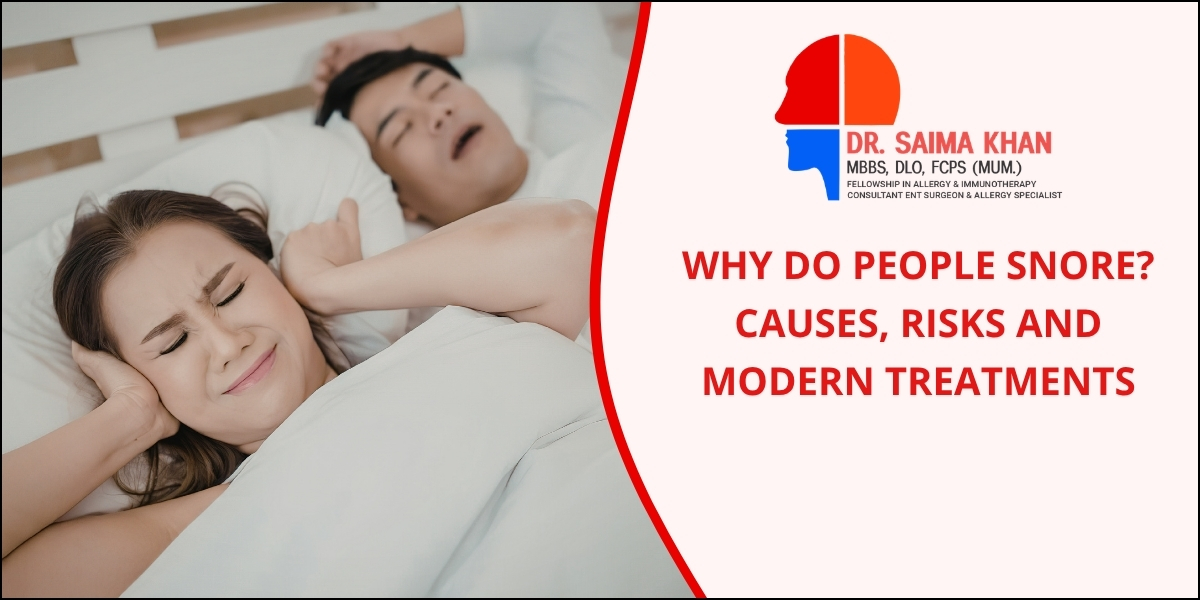
Snoring is a very common sleep problem that affects millions of people worldwide. While many people think snoring is harmless, frequent and loud snoring can sometimes indicate an underlying health issue. It can disturb sleep quality, affect relationships, and even lead to serious health complications if left untreated.
Understanding why people snore, the risks associated with it, and the latest treatment options can help individuals achieve better sleep and improve overall health.
What is Snoring?
Snoring is the harsh or vibrating sound produced when airflow is partially blocked while breathing during sleep. This blockage causes the tissues in the throat, nose, or mouth to vibrate, creating the snoring sound.
Snoring can occur occasionally due to tiredness or sleeping position, but chronic snoring may require medical attention.
Why Do People Snore?
There are several reasons why people snore. Some causes are temporary, while others are linked to medical conditions.
1. Blocked Nasal Airways
When the nose is congested due to allergies, sinus infections, cold, or a deviated nasal septum, airflow becomes restricted. This increases the chances of snoring.
2. Excess Weight or Obesity
Extra fat around the neck can narrow the airway, making breathing difficult during sleep. This is one of the most common causes of snoring.
3. Sleeping Position
Sleeping on the back causes the tongue and soft tissues to fall backward, partially blocking the airway.
4. Alcohol Consumption
Alcohol relaxes throat muscles excessively, which can increase airway blockage and worsen snoring.
5. Ageing
As people age, throat muscles become weaker, increasing the likelihood of airway vibration during sleep.
6. Enlarged Tonsils or Adenoids
Children and adults with enlarged tonsils may experience snoring due to narrowed air passages.
7. Sleep Apnea
Snoring may sometimes be a sign of Obstructive Sleep Apnea (OSA), a serious condition where breathing repeatedly stops and starts during sleep.
Common Symptoms Associated with Snoring
People who snore may also experience:
- Daytime sleepiness
- Morning headaches
- Dry mouth after waking up
- Poor concentration
- Restless sleep
- Irritability or fatigue
- Breathing pauses during sleep
If these symptoms are present, medical evaluation is strongly recommended.
Health Risks of Untreated Snoring
Occasional snoring is usually harmless, but chronic snoring can affect overall health and quality of life.
1. Poor Sleep Quality
Snoring disrupts deep sleep, leading to tiredness and low energy during the day.
2. Relationship Problems
Loud snoring can disturb a partner’s sleep and create stress in relationships.
3. High Blood Pressure
Sleep disturbances caused by snoring or sleep apnea may increase blood pressure levels.
4. Heart Problems
Untreated sleep apnea linked with snoring may increase the risk of heart disease and stroke.
5. Reduced Mental Focus
Poor sleep affects memory, concentration, and productivity.
How is Snoring Diagnosed?
A sleep specialist may evaluate snoring through:
- Physical examination
- Sleep history assessment
- Nasal and throat examination
- Sleep study (Polysomnography)
- Endoscopy or imaging tests if needed
Accurate diagnosis helps determine the root cause and the best treatment approach.
Modern Treatments for Snoring
Today, several advanced treatments are available to manage snoring effectively.
1. Lifestyle Changes
Simple lifestyle modifications can reduce mild snoring significantly:
- Losing excess weight
- Avoiding alcohol before bedtime
- Sleeping on the side
- Maintaining regular sleep habits
- Quitting smoking
2. Nasal Treatments
If nasal blockage is causing snoring, doctors may recommend:
- Nasal sprays
- Allergy treatment
- Nasal strips
- Septoplasty for deviated septum
3. CPAP Therapy
For patients with sleep apnea, Continuous Positive Airway Pressure (CPAP) therapy keeps the airway open during sleep.
4. Oral Appliances
Custom-made dental devices help reposition the jaw and tongue to improve airflow.
5. Laser Snoring Treatment
Modern laser treatments tighten throat tissues and reduce vibration, offering a minimally invasive solution for snoring.
6. Radiofrequency Treatment
This procedure shrinks soft tissues in the throat using controlled energy, helping reduce airway obstruction.
7. Surgery
In severe cases, surgery may be required to remove excess tissue or correct structural airway problems.
Tips to Prevent Snoring Naturally
Here are some practical tips to reduce snoring naturally:
- Sleep on your side
- Keep your bedroom air clean and humidified
- Stay hydrated
- Avoid heavy meals before bedtime
- Exercise regularly
- Treat allergies early
When Should You See a Doctor?
You should consult a specialist if:
- Snoring is loud and frequent
- You stop breathing during sleep
- You feel tired even after sleeping
- You have morning headaches
- Your snoring affects daily life or relationships
Early diagnosis can help prevent serious health complications.
Consult Dr. Saima Khan – Snoring Specialist Doctor in Majiwada, Thane
If you are struggling with chronic snoring or sleep-related breathing problems, Dr. Saima Khan offers advanced evaluation and modern treatment options tailored to each patient’s needs. With expertise in diagnosing snoring and sleep apnea conditions, Dr. Saima Khan focuses on improving sleep quality, breathing, and overall health using personalized and minimally invasive treatment approaches. Patients from Majiwada, Thane, and nearby areas consult her for effective snoring management and long-term sleep wellness.


